Tuesday, October 31, 2006
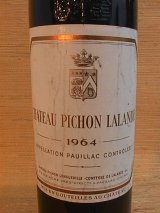
Broadbentism: 1964 Chateau Pichon-Lalande
"Most recently, its appearance reminded me of my father's old Labrador, lying on its back waiting to be tickled... **** But drink soon" MB


Sunday, October 29, 2006
Cowboy Up at Maremma
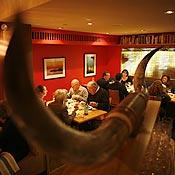 Have we ranted enough about restaurant wine lists? We probably have but I just can’t help myself. Vinogirl trudged through the rain Friday night to a restaurant in the neighborhood (
Friday, October 27, 2006
A Narcissistic Experience
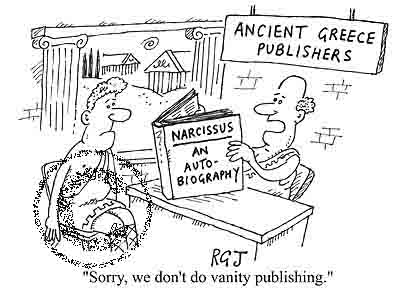 Is it just my imagination or has Wine Spectator been acting a little self-serving of late? At the risk of giving them even more air time, I will tell you what you probably already know which is that Wine Spectator has been hosting an event call the Wine Experience for 25 years now. This year the event was back in
 - “One of the things I enjoy most about the Wine Experience…”
- “A last weekend's
- “But I was thinking about this past weekend's
- “Before I headed out to pour at the
- “I found myself moved and inspired by many of the speakers at the California Wine Experience”.
- “Every year at the Wine Experience…”
- “We knew this year's California Wine Experience …”
Thursday, October 26, 2006
Broadbentism: 1983 Ch. Malescot-St. Exupery
"As so often, a bit over the top, plausibly attractive, specious. But I am being condescending. Last Tasted Oct. 1998 **." MB


Tuesday, October 24, 2006
Zinception versus Reality
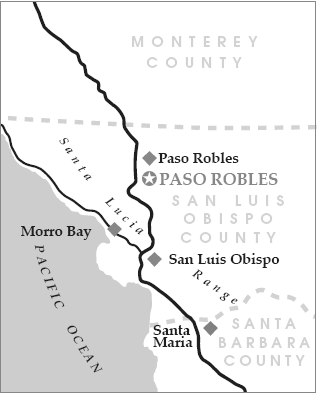 Winemonkey and I had us a little blind tasting the other day and, in addition to serving as an excellent palate testing exercise, it unveiled a surprise or two. We were tasting wines from Paso Robles,
I guess the moral of the story is never to judge a book — or a wine — by it’s cover. In this case all you get is an emptier wallet.
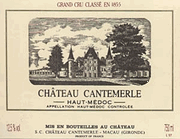
Broadbentism: 1974 Chateau Cantermerle
"First tasted flying on Concorde to New York in 1981. It was not a good choice: grubby nose, short, dull and dry. Who selected this inappropriate wine for British Airways 'flagship' I do not know. Not I: because I didn't join the British Airways wine tasting panel until 1984!" MB

Sunday, October 22, 2006
Secret Cellar at 21
 I was lucky enough to get a tour of the wine cellar at the 21 Club in NYC this weekend. The whole thing is very ‘underground’ which you might expect from a restaurant that started out as a popular speakeasy in the 20s during Prohibition. The restaurant gets its name from the address at 21 West 52nd street. The “secret” wine cellar is actually located at 19 West 52nd street which helped to confuse investigators during Prohibition era liquor raids. Moreover, restaurant workers were able to truthfully tell inspectors that there was no booze on the premises at 21 West 52nd. Clever.
Nowadays you can get to the wine cellar by walking through the kitchen and down the stairs led by a member of the 21 Club wine staff. The door is visible although it does blend in by looking like a regular old brick wall in the basement. The door was built to be imperceptible in the days of the dry movement and was concealed by a pantry of canned goods and hanging meats. Weighing in at 2 ½ tons, the door can only be opened using a meat skewer placed in one of the cracks in the cement. There are many cracks in the door which served to further confuse pesky federal agents.
When you push the heavy door back you step into a wonderland of wine. Although ‘21’ no longer accepts wine from personal cellars — they’ve run out of room housing their own impressive collection — they used to store private collections for their best customers. You can still see bottles with famous names attached. The first one I noticed was Elizabeth Taylor’s private stock which, as far as I could tell, has dwindled down to a single lonely bottle. Unfortunately I couldn’t get close enough to see what it was but considering Ms. Taylor doesn’t drink anymore, it makes perfect sense that she would want Vino Girl to have it, don’t you think? (Unfortunately, the wine director did not agree.) We also saw some of Richard Nixon’s bottles which he is no longer around to enjoy.
Alongside the celebrity bottles there is plenty of Montrachet, Romanee Conti, Lafite and Latour, along with an empty Nebuchadnezzar (20 bottles) of Roederer Champagne that was popped when the cellar was first built. The cellar was remodeled in modern times to incorporate a private dining room seating 20, something you should experience if you have the chance. The restaurant is pricey as is the extensive wine list. If you don’t have the chance to eat in the cellar, stop in for a drink, order from the lounge menu and ask your server if they can give you a quick tour. If there is no one dining down there, they seem more than wiling to oblige. Enjoy!

Broadbentism: 1983 Chateau Palmer
"I was originally informed that it had an unusually high percentage of Petit Verdot but the current managing director told us that it was only 2.4%. Well, whatever, I thought it was hard and stalky in its early days and somewhat raw well into the 1980s...** A disappointing Palmer." MB


Saturday, October 21, 2006
Face the music
 I’m sure that all you wine lovers out there can point out scores (no pun intended) of connections between wine and music. Music is undoubtedly a lovely backdrop to enjoying a glass of wine. Wine has been mentioned in countless popular songs from “Red Red Wine” by UB40 to “Scenes from an Italian Restaurant” by Billy Joel (no, the name of the song is not “A Bottle of Red, A Bottle of White” so don’t test me.) Music has even been the inspiration for some wines, such as Arietta out of
 Friday, October 20, 2006
1982 Chateau Petrus and the idle hands of the rich
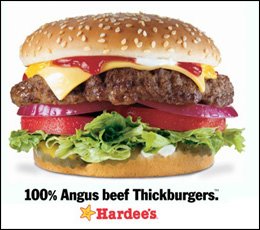
 The $6,000 Hardee's Combo Meal offered exclusively at the Palms Casino Resort in Las Vegas has garnered a lot of attention. The Hardee's commercial features the Maloof Brothers, who own the casino, chomping a good looking burger with a better looking female server pouring the best of wines. Something of a higher scale version of Miles drinking his 1961 Cheval Blanc out of a cup at the fast food joint in the movie Sideways. Now while your winemonkey was interested in both the burger and the server, our vino girl reined me in so that we could concentrate on the wine.
What you can't tell from the ad (and we tried- it was clearly a prop or a different bottle) is that the wine being offered as a part of the Palms deal is actually the 1982 Chateau Petrus, a fine wine indeed.
That being said, both vino girl and I have issues with a lot of this offer (none of it hamburger related) so we'd like to lay it out.
1. You are getting ripped off. Okay this is Vegas and when you have to bling it-- you bling it, but those frugal minded fast food consumers who are reading this should be aware that the 1982 Petrus is available to you at retail for about $3,500 leaving you with a lot of left over hamburger money. Even for a restaurant that is a lot of mark up. Oddly, famed wine restaurant Bern's Steak House has it for $2,200 a relative bargain even over retail.
2. You are drinking it too young. Your burger will be ice cold long before this bottle is ready to drink. The '82s we've been tasting lately are nowhere near ready yet. This is a long lived vintage and it is showing it now. Perhaps they should have gone with a '75 Petrus, a superior bottle and drinking now.
3. You are blaspheming the wine. Yeah I said blaspheming. It is honestly a shame that rich, stupid people are going to deny the rest of us quite a few bottles of Petrus all in the name of showing off. If you are going to rub it in our faces at least have the common decency to drink the thing with a fantastic, overly rich, hedonistic french meal that we also can't afford.
Let us know your thoughts on the burger, the wine, or the post. After watching that ad a dozen times to try and get a fix on the bottle, I am now jonesing for a mean burger. Damn that Hardee's.
Thursday, October 19, 2006
Broadbentism: 1990 Chateau Trottevieille
"Three Notes. On Christmas Day in 1996 despite double-decating, 'needed air'. It certainly got it, for it was next drunk picnicking with the family at Badminton. A fairly decent, drinkable wine, no more. Last tasted watching the equestrian "eventers' at Badminton, May 1997 **(**)." MB


Let your fingers do the talking...
 Another bit on Virginia (See I told you they know how to party.)
Some good news (well maybe just news) for those of you attending the 19th annual Town Point Virginia Festival this weekend. Seems that the Cingular sponsered event, held in Town Point Park in downtown Norfolk, will be breaking out text voting so that you can make a whole host of wineries feel bad about themselves.
Winery booths will be coded with a number you can text to Cingular. There will be regular updates of wineries in the lead broadcasted from the festival's main stage. No Cingular phone you say, no worries as Cingular reps will be roaming the festival for your votes.
Hmmmm.... your winemonkey sees some vote tampering very soon.
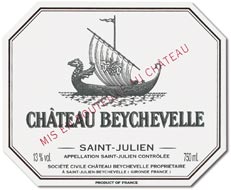
Broadbentism: 1986 Chateau Beychevelle
"...on Concorde en route to New York, though deep and still youthful-looking, softer than expected. Must have been the height, speed and dizzy expectations. **(*) Not bad but I wouldn't put my money on it." MB

Send it back!
 Harvey Steinman of Wine Spectator recently penned a post about ordering wine at restaurants. The question, he contends, is not whether the wine is faulty but whether or not you like it. I beg to differ on that. When a waiter presents your wine and uncorks it at the table, it is not a taste test. It’s not like you can order the porterhouse and have it prepared for you only to send it back, exclaiming, “I don’t like this. Please bring me the pork chops”. If the porterhouse is undercooked then it warrants a trip back to the kitchen — but it is pretty much your problem if you simply ordered wrong and don’t like it. Unfortunate, yes, but you have to take some responsibility for your decisions. Am I wrong here?
Wednesday, October 18, 2006
Get your lists straight people!
Oh brother, another night out and another lame wine list.
Your winemonkey was just on a couple of recent nights out with some very lovely ladies and some very lovely couples and as usual the wine list was shunted to me. No problem, I can deal with that. It is my expected duty and I take my job as the "official wine picker" very seriously-- especially when you have to make everyone happy.
No, the problem is that the wine lists I receive are woefully bad. You've seen them too, I'm sure. Too pricey here, not enough selection there. What is it about restaurants that they just think gouge the customer when they build their wine list? Usually you can just eek out one interesting bottle that is not overpriced (in terms of markup) and will fit the bill. One.
The thing is I know there is good wine out there. I've seen those lists and reveled in them. There are interesting choices at all sorts of price points that match up with food. They are not over-marked up. They are not standardized quicklists from major distributors like Southern or Peerless or (God forbid) Paramount-Eber Brothers.
Why can't most restaurants put even a tenth of the effort in building a wine list that they do in building their menu. It shameful. And we all are worse off for it.
I've GOT to start picking the restaurant.
Tuesday, October 17, 2006
Broadbentism: 1899 Ch. Le Cure Bon La Madeleine


Monday, October 16, 2006
Pre-Sale Hysteria
Your winemonkey has to admit a bit of fondess for the quasi-industry event known as the pre-sale. I say "quasi" because this event is in fact open to any and all that are interested in attending. And I say "industry" because they are normally attended by the same insider crews and the events themselves are not well published.
 The pre-sale, for those that do not know, is a wine tasting extravaganza held a couple of days before an auction. Sotheby's and Christie's are the leaders of this pack in New York city, but they can be found in almost every major city (Chicago has Hart Davis).
Why I enjoy them so much is that for the outrageuously low entrance fee of $75 (I can hear some groans already, but wait), you can quaff down tons of stuff you would most likely be unable to get your hands on. Now obviously this is meant to spurn your interest in purchasing the lots at auction and certainly you may get caught up in a wine enough to bid on it at the auction, but far and away the beauty of these events are the wines being poured and relative calm in which you can enjoy them.
One word of warning, they are unusually short tastings lasting only one hour, but what an hour it will be. Frankly, I would think that with a little planning on your part a pre-sale could be one of the best dates you could take your wine smitten significant other on.
As an example of their wine hedonism and the fun you can have (and by fun I mean wine), I will offer up a recent event your winemonkey attended:
1978 Chateau Margaux
1981 Chateau Ausone
1982 Vieux Chateau Certan
1982 Chateau Latour a Pomerol
1982 & 1995 Chateau Ducru Beaucaillou
1985 Chateau Lynch Bages
1990 Chateau Angelus
1996 Chateau Leoville Las Cases
1997 Frescobaldi Castelogioconda Brunello di Montalcino
1979 BV Georges de Latour Private Resource (killer juice)
1987 Robert Mondavi Cabernet Sauvignon Reserve (you'd be surpised how good it really is)
1993 Heitz Napa Cabernet Sauvignon
1996 Dalla Valle Napa Cabernet Sauvignon
2002 Harlan Estate "The Maiden"
2002 Noon Estate Shiraz Reserve
and a couple I can't remember.
So the next time you want to wow your boyfirend, girlfriend, SO or spouse (and look like a wine insider to boot) just check the auction catalogs or give the the auction house a ring an go get yourself a unique wine night out.
 The pre-sale, for those that do not know, is a wine tasting extravaganza held a couple of days before an auction. Sotheby's and Christie's are the leaders of this pack in New York city, but they can be found in almost every major city (Chicago has Hart Davis).
Why I enjoy them so much is that for the outrageuously low entrance fee of $75 (I can hear some groans already, but wait), you can quaff down tons of stuff you would most likely be unable to get your hands on. Now obviously this is meant to spurn your interest in purchasing the lots at auction and certainly you may get caught up in a wine enough to bid on it at the auction, but far and away the beauty of these events are the wines being poured and relative calm in which you can enjoy them.
One word of warning, they are unusually short tastings lasting only one hour, but what an hour it will be. Frankly, I would think that with a little planning on your part a pre-sale could be one of the best dates you could take your wine smitten significant other on.
As an example of their wine hedonism and the fun you can have (and by fun I mean wine), I will offer up a recent event your winemonkey attended:
1978 Chateau Margaux
1981 Chateau Ausone
1982 Vieux Chateau Certan
1982 Chateau Latour a Pomerol
1982 & 1995 Chateau Ducru Beaucaillou
1985 Chateau Lynch Bages
1990 Chateau Angelus
1996 Chateau Leoville Las Cases
1997 Frescobaldi Castelogioconda Brunello di Montalcino
1979 BV Georges de Latour Private Resource (killer juice)
1987 Robert Mondavi Cabernet Sauvignon Reserve (you'd be surpised how good it really is)
1993 Heitz Napa Cabernet Sauvignon
1996 Dalla Valle Napa Cabernet Sauvignon
2002 Harlan Estate "The Maiden"
2002 Noon Estate Shiraz Reserve
and a couple I can't remember.
So the next time you want to wow your boyfirend, girlfriend, SO or spouse (and look like a wine insider to boot) just check the auction catalogs or give the the auction house a ring an go get yourself a unique wine night out.
Shaken, Not Stirred
 I will warn you right now that this post has nothing to do with wine -- unless you count the fact that the whole experience made me long for a comforting glass (or bottle, or two...) of red wine on steady ground. If you have been following my blog at all you may recall that I was in
 It was just after 7am and I was awake (it's tough to sleep past 7am when your body knows it is 1pm at home) but struggling to get some more shut-eye. All of a sudden I heard a large boom and the building began to shake. Wake up call! Thinking that it must be an explosion, I lurched up in bed and peered out the sliding glass doors to see what I could see. Nothing. It was all very surreal. The next thing I (vaguely) remember is my husband screaming "it's an earthquake!” Should I crouch on the floor (I think I did) or is that for a hurricane, or a fire? All rational thought had left me.
"In the doorway", my husband yelled and grabbed hold of me. We made our way over to the bathroom doorway where it seemed we were both holding on to the door frame for dear life. The hotel was literally being shaken roughly -- back and forth, back and forth -- in a very jagged and violent motion. We were both breathing hard as if we had just sprinted in from the rain. It felt as if the rocking was going to go on forever. In reality, the quake lasted less than a minute. When the motion and the racket subsided, we looked around and saw that the television had catapulted out of the TV stand, the drawers were all flung open and our toiletries had been tossed off the bathroom countertop. Conspicuously, a large bowl that sat atop the TV stand had not moved an inch. Apparently we had just experienced a 6.7 magnitude earth quake.
Friday, October 13, 2006
Jury Out on Rolland
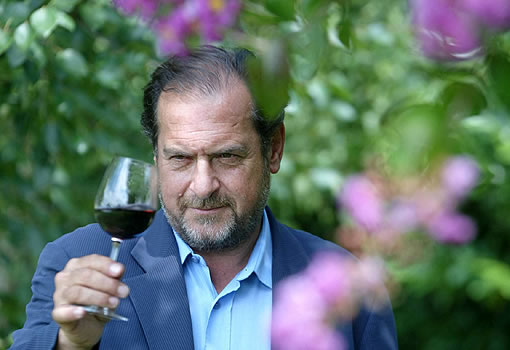 I was just reading the article that appeared in the NYTimes yesterday about Michel Rolland. I will assume if you are reading this blog that you have heard of him. You probably also know that he is the most famous wine consultant in the world with some 100 clients spread out around the globe. I did see 'Mondovino', the movie that portrayed him as a pompous blowhard who spends a total of 5 minutes with each of his winery clients, pronouncing "micro-oxygenation" as the answer to every problem. Knowing that cameras and editing can make anyone look obnoxious, however, I have tried to keep an open mind about Rolland.
In the Times article, written by Eric Asimov, Rolland espouses that a wine's character comes from the grapes, a statement that is difficult to disagree with. He denies that he, along with industry bigs such as Robert Parker and Wine Spectator, are homogenizing wine but will concede that he prefers (and if he does then everyone must) a bigger, riper, more "modern" style. Rolland is proud that he helps his clients make wines that can be drunk younger and crosses swords with Broadbent and other English critics in general by pointing out that they are used to drinking older wine like "old people always looking back to the old days."
As much as Mr. Rolland says he is not trying to make wines that taste the same, it can be difficult to believe. There is that sense that wine is being stripped of its terroir and individuality to please modern palates. Are we getting that sense from the wine we drink, from the media? It's hard to say. As much as part of me wants to see Rolland as ‘Satan versus Savior’, I look at a partial list of his clients and can't help but be impressed: Chateau Angelus, Ornellaia, Araujo, and the list goes on and on. Moreover, winemakers I have a lot of respect for, such as Andy Erickson, can't say enough nice things about Rolland and his work.
On the other hand, the wine monkey and I attended a tasting of Chateau Ausone recently and you could literally tell when Rolland's influence came to fruition in the wines. Notes on the Rolland vintages included more terms like "ripe fruit", "friendly", "rich" and so on. He changed the Ausone style, of that I am sure.
He also talks a lot about ratings and making no "loser" wines. He seems indirectly to be referring to Corison as one of the "loser wines" that do not do well in the marketplace. That I simply cannot agree with. Cathy Corison's wine are beautiful and balanced, if not terribly fruit-forward, with a consistency that you only find from the best winemakers. As far as Corison not being successful in the marketplace I haven't seen the numbers but I have seen the wines on plenty of well-heeled wine lists around town.
So, the jury is still out for me in regards to Mr. Rolland, making Asimov's question of "Satan or Savior" more of an ongoing query. I guess all we can do is monitor the wines over which he has an influence and see what becomes of it all down the road. All I can say is, he must be doing something right at the going rate of $30,000+ for about 4 visits a year. Sign me up!
Thursday, October 12, 2006
Considering Your Audience
 My brother was married yesterday to a lovely woman at a beautiful resort in
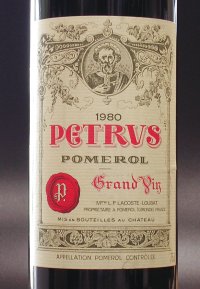
 Broadbentism: 1980 Chateau Petrus
"A magnum of the '80 was produced for the tasting and an imperiale for the dinner. It was a bit over the top, spicy, specious but an attractive drink. And drink it we did, accompanied by caviar dished out like porridge... At best **" MB
Wednesday, October 11, 2006
Country roads, take me home
To the place I belong
Ohhhh Virginia, mountain momma
Take me home, country roads
Okay, maybe it's West Virginia in the song, but the sentiment rings true.
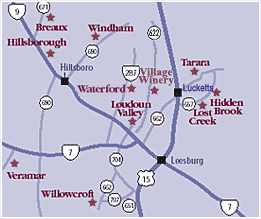
For those that are unaware, there was a time in your winemonkey's life, a dark time, an evil time, when wine did not control my life and was but a mere side attraction. Oh... the horror of it. It was during those times when escape to a wine country was a neccesary succor. (yeah, I said succor) Unfortunately, I was an east coast winemonkey and could neither afford the time or expense to travel to Napa, Bordeaux or Tuscany. My wine destination of choice was the Vriginia Wine Valley. A bustling place of wine newness that fit in with my personal wine newness and together we forged a bond of wine entertainment that sustained me through the dark years.
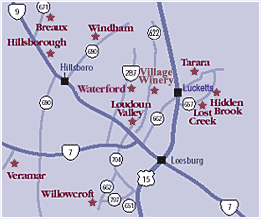 Now there were many weedy and green Viriginia reds to be had (I still use the term 'Viriginia Red' to describe certain non Virginia wines) and some very interesting whites amongst the slog, but that is how it goes with any wine region.
I can certainly say I have had some cru bourgeois and even some classied growths that did not cut the mustard. But Virginia can be fun and so can their wine ad that is the point. They have a great wine tasting event every year out at the horse track for God's sake. I mean, come on, these people know how to party.
I had forgotten that earlier time until I received a blog comment from Dezel who has a great Virginia wine blog and I was reminded of how fun drinking wine without thinking about it could be. To Dezel I say thanks.
Learn about Virginia wines for yourself at Dezel's Virginia Vine Spot or go to the Virginia Wine and Food Society's site at Virginia Wine Guide.
West Virginia ain't gotten nuthin' on you VA.
Ohhhh Virginia, mountain momma
Take me home, country roads
Okay, maybe it's West Virginia in the song, but the sentiment rings true.
For those that are unaware, there was a time in your winemonkey's life, a dark time, an evil time, when wine did not control my life and was but a mere side attraction. Oh... the horror of it. It was during those times when escape to a wine country was a neccesary succor. (yeah, I said succor) Unfortunately, I was an east coast winemonkey and could neither afford the time or expense to travel to Napa, Bordeaux or Tuscany. My wine destination of choice was the Vriginia Wine Valley. A bustling place of wine newness that fit in with my personal wine newness and together we forged a bond of wine entertainment that sustained me through the dark years.
 Now there were many weedy and green Viriginia reds to be had (I still use the term 'Viriginia Red' to describe certain non Virginia wines) and some very interesting whites amongst the slog, but that is how it goes with any wine region.
I can certainly say I have had some cru bourgeois and even some classied growths that did not cut the mustard. But Virginia can be fun and so can their wine ad that is the point. They have a great wine tasting event every year out at the horse track for God's sake. I mean, come on, these people know how to party.
I had forgotten that earlier time until I received a blog comment from Dezel who has a great Virginia wine blog and I was reminded of how fun drinking wine without thinking about it could be. To Dezel I say thanks.
Learn about Virginia wines for yourself at Dezel's Virginia Vine Spot or go to the Virginia Wine and Food Society's site at Virginia Wine Guide.
West Virginia ain't gotten nuthin' on you VA.
Concepts in Understanding Wine: Location
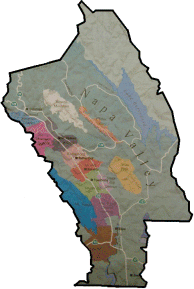 In our previous post about the importance of not tasting blind, we briefly touched on the significance of knowing the region in which a wine was produced before tasting and assessing the wine. The location should give a taster clues regarding what to expect from the wine which should, in turn, help the taster review the wine in context.
We believe that a wine from Napa should taste like it is from Napa, a wine from Bordeaux should taste like it is from Bordeaux, and so on. Whether you are an educated wine consumer or at the mercy of a retail clerk or sommelier, you should have some inclination of what is going to be in a bottle of wine before you buy it and uncork it. Part of a wine's identity rests in its region of origin or else why would you decide to purchase wine from a specific region in the first place?
As an example, the climate in Napa is such that, generally speaking and in typical vintages, the Cabernets produced there are bold, full-bodied and full of ripe, rich fruit. Of course there are microclimates that cause discernible variations among the different sub-AVAs (American Viticulture Areas) and even some vineyard sites within Napa but by and large the sunny weather and long growing season help to produce wines with opulent fruit flavors.
If these typical characteristics are not evident in a Napa Valley Cabernet, a taster can conclude that, for instance, the wine is from an atypical vintage, the grapes were picked too early, or something is being done in the winery to adjust the style of wine. A wine that tastes wildly out of character for its particular region is probably fighting against the very factors that make it unique. Moreover, it is confusing to a consumer who expects wines from particular regions to adhere to the basic regional styles. This is not to say that all wine is made in a 'regional style' or that it should be. It is our job as professional wine critics to highlight the differences in wines and the reasons for those differences so that consumers can make a more educated buying decision based on what they know about their palate.
If you have tasted a number of Napa Cabs and enjoy their fruit forward and opulent style, it may be disappointing to you to taste a wine made out of the valley that is made in a very earthy, "Bordeaux style." Alternatively, if you are interested in branching out and trying different styles, it would be useful for you to know that not all Napa Cabs are made alike.
Location is just one of the pieces that make up a wine's unique character. In subsequent posts we will discuss vintage/weather and varietal character as well as winery and winemaker style in terms of evaluating wine and as a bigger part of the concept of not tasting blind.

Tuesday, October 10, 2006
Broadbentism: 1943 Chateau Mouton-Rothschild
"At a Sunday lunch in March 1983: uncorked at 10AM and poured at 1:30PM to accompany soft brown eggs presented on a wicker-work tray and served with 'soliders' of toast by a white gloved man servant, the Mouton was undeterred..." *****MB
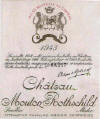
Ed. Note: Anyone who has read a Chrisite's catalog or his book Vintage Wine, is no doubt familiar with the wine note prose of Michael Broadbent. If mouthed by anyone else, surely there would be smack involved. But, when it's coming from the quintessential old-world wine master, you just have to smile, chuckle to yourself, and wonder why you didn't get to live such an extravagent life.
I plan on adding interesting 'Broadbent-isms' from time to time to kept you all in good spirits and immeasurable envy. All credit goes to MB.
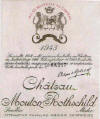
Ed. Note: Anyone who has read a Chrisite's catalog or his book Vintage Wine, is no doubt familiar with the wine note prose of Michael Broadbent. If mouthed by anyone else, surely there would be smack involved. But, when it's coming from the quintessential old-world wine master, you just have to smile, chuckle to yourself, and wonder why you didn't get to live such an extravagent life.
I plan on adding interesting 'Broadbent-isms' from time to time to kept you all in good spirits and immeasurable envy. All credit goes to MB.
Monday, October 09, 2006
Wine Monkey Starts The Wine Blog List!
All the news that's fit to print...
We'll your favorite winemonkey has taken it upon himself to compile a list of wine blogs. Now wine blog watch does a great job but I just needed a little something extra so I decided to try my hand at creating a viable central information source for all your wine needs. So go ahead and check it out and let me know what you think.
South African winery jumps the gun
 Continuing our futures discussion, it seems that South African winery Cloof is offering its Bordeaux blend wine to consumers en primeur in the UK. The newly renamed ‘Lynchpin’ right bank blend would be the first commercial offering a South African future.
Publicity stunts aside, it seems to this winemonkey that the whole point of purchasing futures from the consumer’s stand point is to obtain an allocation of wine at a more reasonable price than when the wine will be released. As much as South African wines have come around (don’t get me started on pinotage I still can not go there), I can’t imagine that the wine, which is being offered at about $15, will generate any economies of scale for the consumer versus waiting for the bottle to be released.
The wine which is actually being sold as a pre-release (a technique used by many US wineries) is available only from UK retailer Magnum Fine Wines. On top of that, (US distributors take note here) there doesn’t seem to be any distribution into the US.
Don’t get me wrong I am pulling for all wineries to do a bang up job making and selling their product, but I can’t believe there is going to be a run on Cloof Lynchpin. That being said, apparently an unnamed A-list wine writer from the UK has jumped on this bandwagon and ordered up 30 cases of the ZA juice.
But for me, I can wait.
-----------
Here are your stats:
Cloof Winery
The winery changed ownership in 2002 and is making strides in improving quality. The winery sits on about 1,300 hectares with a bout 100 hectares under vine surrounded by wheat fields. The vines, which are untrellised and dry farmed, bake in the sun and the wines have been described as undoubtedly New World in style.
2005 Cloof Lynchpin
Average age of vines: 8 years
Location: Darling, on the eastern slopes and flats of Dassenberg, 70km north of Cape Town on granite and oakleaf.
Yield: Approximately 2.2 tons per hectare for Cab Franc, 6 for Cab, a mere half a ton for the Merlot.
Blend: 71% Merlot, 25% Cabernet Franc, and 4% Cabernet Sauvignon
The wine, which is culled from prime blocks on the property, is aged in 75% new French oak for 14 months. I haven’t had the wine but the numbers and its locale suggest it will be reminiscent of big Aussie stuff with high ph (thus low acid) and over 15% alcohol. It is interesting to note that this wine is blended at the end of the alcoholic fermentation instead of barrel selected after some maturation time.
Is Canada More Than Just Ice Wine?
 I was out to dinner fairly recently with a Brit friend who has been living in
 Saturday, October 07, 2006
Two bottles of Chateau Picard sell for $6,600!
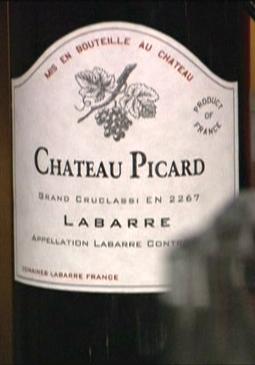 Seems like your winemonkey has been on an auction rant of late so let us continue.
Two bottles Chateau Picard sold for a whopping $6,600. Unfortunatley for the cru bourgeois St. Estephe property, the bottles were actually vintage 2267 from the fictitious wine estate of Star Trek: Next Generation Captain Jean Luc Picard's fictitious family also known as Chateau Picard. Talk about futures. The bottles which were props and do not contain any wine sold for more than TEN times their estimate. Personally, I could think of many bottles which actually contain wine that I would rather fork over $6,600 for, but to each his own.
And I thought, wine people were nuts.
-----------
Here is some info on the "real" Chateau Picard:
Size: 8 hectares (~20 acres)
Vine density: 9000 vines per hectare
Average age of vines: 30 years
Grape Variety: Cabernet Sauvignon (85%) and Merlot (15%)
Location: Clay interspersed with limestone on sand and gravel in the center of Saint-Estèphe.
Classification: Classified as a cru bourgeois in 1932.
In 1997, Mahler Besse (talk about coinceidence) purchased the property and modernized the winemaking equipment and the cellars. Normally considered one of the better cru bourgeois wines in the appellation, the wine is vinified in 35% new oak barrels for 12 months after 3 weeks extended maceration in temperature controled vats.
And you didn't think you were going get anthing useful out this.
Friday, October 06, 2006
Aloha Means Hello
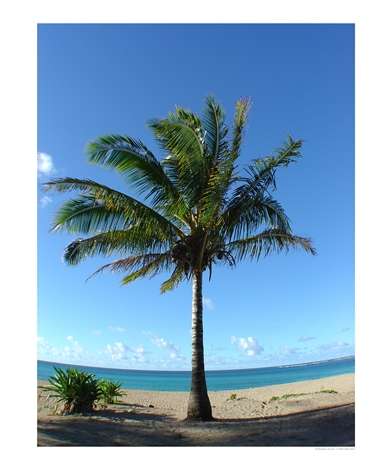 Vino Girl will be hula-ing over to
 First I hit up Wine Spectator's Restaurant Awards List (not that I buy into that whole thing 100% but that is for another post) to see if any Hawaiian restaurants even showed up. My quick check returned 36 'awards' restaurants in
Many of the restaurants do not showcase their wine lists online so when I was able to find one that did, I took a closer look. Hiroshi, a "meat & seafood grilling" restaurant in
I am relieved to say that I won't have to settle for pineapple wine, or "
Fair Warning: Part Deux
 Just a quick update on wines that you can't afford. At a recent Christie's dinner, your winemonkey confirmed that the record breaking '45 mouton cases previously discussed were in fact Nicolas Reserve bottles with original corks. Phew! The final two buyers battling it out were both phone bidders, one Asian and one European. A nice battle of the continents. So as I said before, look out for strong bidding on that Sotheby's case. There was also some discussion as to the fact that Mahler-Besse (Sotheby's case) typically tops off their bottles, but this winemonkey likens it to some friendly school boy competition as to which house has the better case.
For those that have given up on the Sotheby's lot in light of the expected run up, fear not. Acker's "Cellar Part II" Auction has some '45 Mouton for your drinking pleasure at ridiculously low estimates. I am very interested in how the 6 mag lot (632) is going to fair as it was the record breaker at Chrisite's.
There is still time to get that second mortgage, but you better act fast.
Acker Lots, Get 'em while they're hot!
629 Chateau Mouton Rothschild - Vintage 1945
3bn, 9ts, 3cuc, original cork and short capsule, serial numbered bottling. Non-consecutive but close to each other, very common for this wine from the same owc, outstanding color and condition, owc
12 bottles per lot $80000-120000
630 Chateau Mouton Rothschild - Vintage 1945
6bn, 4ts, 2hs, 3cuc, original cork and short capsule, serial numbered bottling. Non-consecutive but close to each other, very common for this wine from the same owc, outstanding color and condition, owc
12 bottles per lot $80000-120000
631 Chateau Mouton Rothschild - Vintage 1945
bsl, stl, cuc, nicolas bottling, outstanding color and condition
1 bottle per lot $6000-8000
632 Chateau Mouton Rothschild - Vintage 1945
6ts, 2cuc, original cork and short capsule, serial numbered bottling, outstanding color and condition
6 magnums per lot $90000-120000
633 Chateau Mouton Rothschild - Vintage 1945
lbsl, cuc, outstanding color and condition
1 magnum per lot $10000-15000
634 Chateau Mouton Rothschild - Vintage 1945
bsl, lstl, cuc, rebouchée au Château en 1985, Réserve du Château, outstanding color and condition
1 double magnum per lot $20000-30000
635 Chateau Mouton Rothschild - Vintage 1945
bsl, stl, wc, cuc, nicolas bottling, correct dark hand blown glass for the era. Orginal, branded cork stating Mouton Rothschild 1945. Réserve du Château, outstanding color and condition
1 Jeroboam per lot $40000-50000
On the importance of not tasting blind
It is important for us to discuss the general philosophy behind how we taste wine. By outlining the methods and reasons behind our critiques, our subscribers will have a better understanding of how they should weigh our reviews relative to their own palates and wine drinking experiences.
The Blind Leading the Blind
Some people are ardent proponents of the "double blind" method of tasting. For those that are unaware, this method means that the taster is kept in the dark about everything related to the wine. The taster does not know the vintage, region, winery or even the varietal being poured. Why is it “double” and not “triple” or “quadruple”? We don’t know. What we do know is that it is the stuff of James Bond movies and elitist snobbery with one participant claiming the wine to be a 1945 Mouton-Rothschild while another is insistent it is the '61 Lafite.
This method, although no doubt an entertaining cocktail trick, does not enable the taster to judge the wine by applying prior knowledge regarding typical vintage, region and varietal characteristics as well as archetypal winery style. Think of it this way. If a taster assumes that a big, juicy, fruit forward, approachable wine showing black currant and vanilla is a 2002 Napa Cabernet when it is actually a 1996 Left Bank Bordeaux, who's really "getting it wrong" here - the taster or the producer?
Leveling the Playing Field
A less stringent and we think more useful blind tasting is the so-called "single blind" tasting. In this method the taster is aware of the region, vintage and varietal of the wine, but not the winery or wineries being poured. This is obviously an attempt to avoid "winery bias". By tasting wines single blind, the intent is to avoid fawning over a critical "darling" and to judge all wines on their relative merits. Although in some ways this method does level the playing field, it is not ideal as crucial information about the wine itself is left out of the equation.
Each winery is unique and as such the wines posses a unique "style". We have witnessed firsthand, and with great interest, the way proprietors inject their personalities and philosophies into their wines. It would be a shame to not take that into consideration as it is the very soul of the wine. At the professional wine tasting level, we fail to agree with the “bias” argument because we believe that avoiding bias is accomplished at the expense of understanding what the wine is trying to say with respect to its own identity. In fact, we believe knowing the winery actually decreases bias as far as personal tastes are concerned. A taster may, for example, bestow a mediocre review on a Philip Togni wine because they sense a greenness that does not appeal to them. In reality, Philip Togni produces some very well made, well balanced wines and we have found the greenness to be an integral component of the winery’s style.
All that being said, there is a place for single blind tastings (do try this at home — it’s great fun!) and we will continue to make use of them when we it is feel beneficial to do so.
The Importance of Identity
The bottom line is that each wine is unique. We believe it is of utmost importance to taste wine with as much background information as possible in order to understand what the wine is saying. Personal character is what makes wine so special and our boots are set firmly in the camp that believes homogeneity is a bad thing. We have tasted thousands of bottles of wine from the basic to the iconic over many different vintages. We assure you that any fascination with (or aversion to) a particular winery wore off long ago. In the end, we have to ask our subscribers to trust that we are expressing our honest opinion about what is in the bottle and not what is expected of the bottle. It may take some time (and even some single blind tastings) for fledgling tasters to vilify a $200 wine while singing the praises of a $20 wine. All we can say is be brave and the self-assurance will follow.
To Be Continued...
This is the first in a series of blog posts on the subject of Bon Vivant’s wine reviewing philosophy. In later installments, we will delve into specific concepts more in more detail. Stay tuned and, please, reveal yourself and let us know what you think.
The Blind Leading the Blind
Some people are ardent proponents of the "double blind" method of tasting. For those that are unaware, this method means that the taster is kept in the dark about everything related to the wine. The taster does not know the vintage, region, winery or even the varietal being poured. Why is it “double” and not “triple” or “quadruple”? We don’t know. What we do know is that it is the stuff of James Bond movies and elitist snobbery with one participant claiming the wine to be a 1945 Mouton-Rothschild while another is insistent it is the '61 Lafite.
This method, although no doubt an entertaining cocktail trick, does not enable the taster to judge the wine by applying prior knowledge regarding typical vintage, region and varietal characteristics as well as archetypal winery style. Think of it this way. If a taster assumes that a big, juicy, fruit forward, approachable wine showing black currant and vanilla is a 2002 Napa Cabernet when it is actually a 1996 Left Bank Bordeaux, who's really "getting it wrong" here - the taster or the producer?
Leveling the Playing Field
A less stringent and we think more useful blind tasting is the so-called "single blind" tasting. In this method the taster is aware of the region, vintage and varietal of the wine, but not the winery or wineries being poured. This is obviously an attempt to avoid "winery bias". By tasting wines single blind, the intent is to avoid fawning over a critical "darling" and to judge all wines on their relative merits. Although in some ways this method does level the playing field, it is not ideal as crucial information about the wine itself is left out of the equation.
Each winery is unique and as such the wines posses a unique "style". We have witnessed firsthand, and with great interest, the way proprietors inject their personalities and philosophies into their wines. It would be a shame to not take that into consideration as it is the very soul of the wine. At the professional wine tasting level, we fail to agree with the “bias” argument because we believe that avoiding bias is accomplished at the expense of understanding what the wine is trying to say with respect to its own identity. In fact, we believe knowing the winery actually decreases bias as far as personal tastes are concerned. A taster may, for example, bestow a mediocre review on a Philip Togni wine because they sense a greenness that does not appeal to them. In reality, Philip Togni produces some very well made, well balanced wines and we have found the greenness to be an integral component of the winery’s style.
All that being said, there is a place for single blind tastings (do try this at home — it’s great fun!) and we will continue to make use of them when we it is feel beneficial to do so.
The Importance of Identity
The bottom line is that each wine is unique. We believe it is of utmost importance to taste wine with as much background information as possible in order to understand what the wine is saying. Personal character is what makes wine so special and our boots are set firmly in the camp that believes homogeneity is a bad thing. We have tasted thousands of bottles of wine from the basic to the iconic over many different vintages. We assure you that any fascination with (or aversion to) a particular winery wore off long ago. In the end, we have to ask our subscribers to trust that we are expressing our honest opinion about what is in the bottle and not what is expected of the bottle. It may take some time (and even some single blind tastings) for fledgling tasters to vilify a $200 wine while singing the praises of a $20 wine. All we can say is be brave and the self-assurance will follow.
To Be Continued...
This is the first in a series of blog posts on the subject of Bon Vivant’s wine reviewing philosophy. In later installments, we will delve into specific concepts more in more detail. Stay tuned and, please, reveal yourself and let us know what you think.
Thursday, October 05, 2006
2004 Burgundy
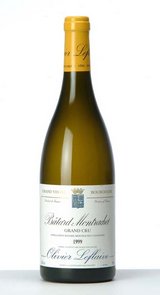 How is it that so many new world chardonnays are over the top and yet so many white Burgundies are sublime? Is it the harmony of apple, pear, lemon, spice, hazelnut and vanilla? Is it terroir? Its probably a little bit of both. I have always found the style of white burgundy to be more inline with my personal palate than some showier Cali Chards which to me alwas showed a little too soft and a little to oaky. (Now this was not always the case, we tasted a mid 80s Rombauer Chard the was excellent while their stuff today is too oaked for my palate. )
Recently, I had the chance to taste through many 2004 white burgs and while I am not an expert in this field to the extent of a burghound it is a personal fascination of mine and a white I am inclined to drink. So, since our publication focuses on a very different area of wine, I am more than happy to write about my white burgundy experiences here.
The 2004s are shaping up to be a very fine vintage indeed. Very nice, classically structured and flavored wines across the board. I was sorely disappointed in the 2003s and have avoided them on more than one occasion. And now that it is bookended by both the amazing 2002 and the fine 2004, it looks like 2003 is destined to be a favorite of the cherrypickers. I am sure there will be some outstanding values in 2003 and if I find any I'll let you know.
Now, while your winemonkey certainly likes his Batard-Montrachet, they come few and far between so what I am talking about here is the likeability of so many of the "lesser" and outlying areas.
For example, Olivier Leflaive's wines were outstanding from top to bottom. Now the top is expected to be outstanding. Enough said. But, I have found that the wines toward the value end of the Leflaive portfolio gets lost in the shuffle and are just a tad too simple. In 2004, however, I feel like that is not the case. The basic stuff is a just a notch up and I feel like I am getting a really nice bottle for the price.
Now if you don't expect Montrachet in a bottle of St. Veran I think you will do well so drink up.
-------------
Some of my favorite producers/wines in no particular order (some pricey, some not):
Olivier Leflaive- great across the aboard, good consistency
Domaine Ramonet- come on, its Ramonet
Bonneau de Martray- when I think Corton Charlemagne, I think BdM.
Raveneau- Some of the best values in white burgs are Grand Cru Chablis
Taste & Take Away in NYC
If you live in New York City you know that wine bars seem to be popping up faster than you can hail a cab these days. The concept of an authentic wine bar first entered my wine loving conscious in Italy. I can still remember sitting in an unassuming little wine bar just across the Arno in Florence called L'Volpe eL'Uva. It was perfect. Just a counter and some stools, a simple selection of bruschetta, cured meats and cheeses, and a great selection of wines, all of which were also for sale to take away. Besides the fact that the setting was ultra relaxed and the owners exceedingly friendly and helpful, the place was unique in that if you liked what you tasted, you could walk out the door with it (well, after you paid for it) and drink it with dinner. Perfetto!
While the ‘wine for sale off-premise’ concept is a bit more difficult to get around in NYC wine bars (damn blue laws) there are two new wine bars that have taken the notion and run with it.
VinoVino
This relatively new wine bar in Tribeca has two distinct entrances (the requirement for wine bars/retail stores in NY) but the place looks like one big space, a glass wall the only thing dividing the bar from the shop. VinoVino's decor is relaxed but fashionable with lots of dark wood and candles. The bar carries a decent selection of wines from various regions, mostly from lesser known producers. Choices include 10-15 selections each of dry whites and reds available by the glass or bottle, as well as a smattering of sparkling and dessert wines, sake and beer. The fact that the wines come from various regions and not just Italy is a plus to me mainly because most of the wine bars that get it right in NYC are Italian and, well, sometimes you just want some alternatives. The menu is simple -- cheeses, cured meats and pates -- and the simpler the better I say. All in all VinoVino is a great place to meet up with friends for a libation and a snack.
(Note: VinoVino also features jazz and tastings during the week but best to check out the calendar on their website and not subscribe to their e-mail newsletter until they tone it down and you can actually read beyond the design madness.)
CentoVini
CentoVini opened even more recently near the shopping madness that is Soho. The bar also has an annexed retail shop with a separate entrance. Although the wine is all Italian and the menu a little more involved, the wine selection is bigger and the food is genuinely Italian influenced. The décor is fashionably funky, as you might expect knowing that this is a joint venture between the owners of Moss design shop and I Trulli restaurant. A welcome addition to the neighborhood, Cento Vini is a comforting place to escape the insanity of Broadway during the day or to settle in after the tourists have left and enjoy a full bottle and a light dinner.
While the ‘wine for sale off-premise’ concept is a bit more difficult to get around in NYC wine bars (damn blue laws) there are two new wine bars that have taken the notion and run with it.
VinoVino
This relatively new wine bar in Tribeca has two distinct entrances (the requirement for wine bars/retail stores in NY) but the place looks like one big space, a glass wall the only thing dividing the bar from the shop. VinoVino's decor is relaxed but fashionable with lots of dark wood and candles. The bar carries a decent selection of wines from various regions, mostly from lesser known producers. Choices include 10-15 selections each of dry whites and reds available by the glass or bottle, as well as a smattering of sparkling and dessert wines, sake and beer. The fact that the wines come from various regions and not just Italy is a plus to me mainly because most of the wine bars that get it right in NYC are Italian and, well, sometimes you just want some alternatives. The menu is simple -- cheeses, cured meats and pates -- and the simpler the better I say. All in all VinoVino is a great place to meet up with friends for a libation and a snack.
(Note: VinoVino also features jazz and tastings during the week but best to check out the calendar on their website and not subscribe to their e-mail newsletter until they tone it down and you can actually read beyond the design madness.)
CentoVini
CentoVini opened even more recently near the shopping madness that is Soho. The bar also has an annexed retail shop with a separate entrance. Although the wine is all Italian and the menu a little more involved, the wine selection is bigger and the food is genuinely Italian influenced. The décor is fashionably funky, as you might expect knowing that this is a joint venture between the owners of Moss design shop and I Trulli restaurant. A welcome addition to the neighborhood, Cento Vini is a comforting place to escape the insanity of Broadway during the day or to settle in after the tourists have left and enjoy a full bottle and a light dinner.
Bordeaux varietals and beyond
 We think focus is an important concept in the wine world. One of the most intriguing things about the subject of wine is that it is constantly changing and evolving. You can't possibly be an expert on every country, region and grape variety out there. Think of it this way. Australia was but a blip on the wine screen just a few years ago and now you can't walk into a retail shop without seeing shelves and shelves of the Aussie stuff.
As you know by now if you are reading this blog, The Bon Vivant Wine Guide is focused on Bordeaux varietal wines. The main regions Bon Vivant covers are Bordeaux (naturally), California and Tuscany. The guide also covers other world regions delving into Bordeaux varietals including South Africa, Chile, Washington State, and the list goes on. We chose to focus on Bordeaux varietals because they are among the most iconic and collected wines in the world and, frankly, we really like 'em.
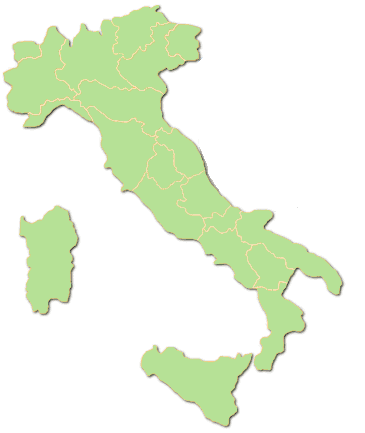
Variety, however, is the spice of life and that is why we will occasionally look beyond the Bordeaux varietals to bring our subscribers information filled super reports on other illustrious countries and regions such as Italy and Champagne. If you are a fan of bold Barolos, velvety Brunellos and luscious Amarones, look no further than our Italian Super Reports scheduled for May and November each year. If you prefer a good bubbly -- celebration or not -- tune in to our Champagne & Sparkling Wine Super Reports biannually in June and December.
The aim of these reports is to add value for our subscribers on subjects and wines that we are passionate and knowledgeable about. After all, we know that even those enthusiasts that are crazy about drinking and collecting Bordeaux varietal wines need to reboot the palate every once in a while!
Wednesday, October 04, 2006
Make this the Fall & Winter of Content
 I have a predilection for expensive wine. There, I said it. Of course, as you all know by now, ‘expensive’ does not always lead to greatness so my statement is a bit flawed. Let’s not get caught up in semantics. Fortunately (or unfortunately) I have tasted enough wine to know that there are in fact some 1st growth Bordeaux’s, Montrachets, Napa cult wines and Barolos that really do justify their high prices. I also know that I cannot afford to drink these iconic wines on a daily basis (or weekly, or monthly...) nor would I allow myself to crack open a 1986 Domaine de la Romanee Conti Montrachet on your average Tuesday night.
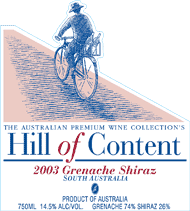
Given this predicament, I, along with the wine monkey, have been on the lookout for some good, easy drinking “Tuesday night wines” to have around our humble homes. One of the great finds of late has been the Hill of Content Grenache/Shiraz from South Australia. The wine is part of the Australian Premium Wine Collection, a selection of wines compiled by Aussie wine lover John Larchet.
In addition to assembling a list of his favorite Australian wines, Larchet now produces wine under a few of his own labels, one of which is Hill of Content. I have tried a few of the wines under the Hill of Content label (he produces a Chardonnay, a Cab and a Pinot Noir among others) but the Grenache/Shiraz (75% / 25% give or take) is definitely the way to go. This unassuming little screw cap wine is a crowd pleaser to be sure -- and that includes anyone in the crowd with a fondness for the finer things in life.
For an under $15 wine the Hill of Content Grenache/Shiraz has a lot of red fruit and spice character as well as a silky consistency and nice balance. The fruit in the current release 2003 is sweet and clean and the milk chocolate and vanilla notes give it considerable depth. Although this is an easy drinker, it is not one of those wines that people just throw back without noticing. I will bet you a bottle of 1986 Domaine de la Romaine Conti Montrachet that people will ask you what it is and where you got it.
Okay, kidding, but you get my point.
Fair Warning
It is fall in New York and the change of colors on the leaves heralds the wine auction season. A time when those with too much money get to spend it lavishly on wines most of us will never get to taste just so they can rub it our faces. Ahhhh, autumn.

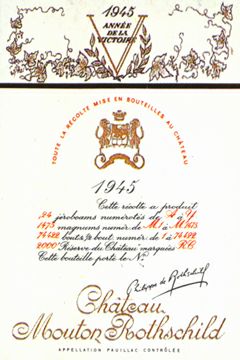
As wine spectator so aptly reported earlier in the week, records are being shattered all around and unfortunately for my favorite wine the 1945 Chateau Mouton-Rothschild. (Like I could afford even a single bottle) Chrisites LA Auction sold a case of the juice for $290,000 followed by 6 mags for $345,000 shattering the previous case record by $175,000. I bet that breaks the wine budget for the year.
The good news is that Sotheby's NY Auction, to be held on October 21, will all so feature a case of the Victory label. Now I am not aware as to the provenance of the Christie's bottles, but Sotheby's has acquired a case and then some from the untouched Mahler-Besse cellars.
All too often the '45 Mouton has been reconditioned (albeit most auction botles come from the famed Nicolas Cellars) but Sotheby's case was acquired by Mahler-Besse in 1946 or 1947 and has been cellared by them ever since-- a deal at an estimated $120,000 to $200,000.
I fear, however, that we will be up against some stiff competition as it was reported that 5 buyers were in play for the Chrisitie's case as prices rose up to $150,000 and a final two battled it out. Now, I would bet there are some sore egos with fat wallets dripping at the chance to snag these bottles for a relative song compared to their Christie's couterparts, so to you all I say good luck.
I think it takes a while for the bank to approve a second mortage so I would get on that.
------
Ed. Note:
In all seriousness, those that are attending the auctions would do well to wait out the crowds and bid on lots at the end of the auction when most of the crowd has thinned. Look for "off " vintages and odd lots from your favorites or look for known but non-marquee producers from good vintages that you may want to try. A quick browse of the catalog and I can spot a number of good deals laying in wait at the end of auction. But remember when you get caught up in the bidding that you are going to pay a 19.5% buyer's premium on top of the hammer along with a 1% insurance charge and any sales tax due (on the total not the hammer.) Good luck to you all.
As wine spectator so aptly reported earlier in the week, records are being shattered all around and unfortunately for my favorite wine the 1945 Chateau Mouton-Rothschild. (Like I could afford even a single bottle) Chrisites LA Auction sold a case of the juice for $290,000 followed by 6 mags for $345,000 shattering the previous case record by $175,000. I bet that breaks the wine budget for the year.
The good news is that Sotheby's NY Auction, to be held on October 21, will all so feature a case of the Victory label. Now I am not aware as to the provenance of the Christie's bottles, but Sotheby's has acquired a case and then some from the untouched Mahler-Besse cellars.
All too often the '45 Mouton has been reconditioned (albeit most auction botles come from the famed Nicolas Cellars) but Sotheby's case was acquired by Mahler-Besse in 1946 or 1947 and has been cellared by them ever since-- a deal at an estimated $120,000 to $200,000.
I fear, however, that we will be up against some stiff competition as it was reported that 5 buyers were in play for the Chrisitie's case as prices rose up to $150,000 and a final two battled it out. Now, I would bet there are some sore egos with fat wallets dripping at the chance to snag these bottles for a relative song compared to their Christie's couterparts, so to you all I say good luck.
I think it takes a while for the bank to approve a second mortage so I would get on that.
------
Ed. Note:
In all seriousness, those that are attending the auctions would do well to wait out the crowds and bid on lots at the end of the auction when most of the crowd has thinned. Look for "off " vintages and odd lots from your favorites or look for known but non-marquee producers from good vintages that you may want to try. A quick browse of the catalog and I can spot a number of good deals laying in wait at the end of auction. But remember when you get caught up in the bidding that you are going to pay a 19.5% buyer's premium on top of the hammer along with a 1% insurance charge and any sales tax due (on the total not the hammer.) Good luck to you all.
compu-monkey?
Many of you were probably not aware of your winemonkey's penchant for computer geekdom. To the ones that were, I say fear not. I have geeked it up and added a poll to the sidebar to further distract you from my blathering and to up the ante with vinogirl. I popped up a simpleton for the first run but I will rotate in some wine worthy questions for all of you from time to time. Hmmmm.... Perhaps even a poll question about poll questions to ask?
Yeah I went there. In any case answer away.
Yeah I went there. In any case answer away.
Tuesday, October 03, 2006
Because it's so exciting
I love New York
A fusion of tastes from South Africa
 We attended a South African wine dinner last night hosted by Cape Classics and featuring wines from De Toren among others. South Africa is producing some noteworthy Bordeaux varietal wines and Bon Vivant is always keen on keeping up with regions outside the main focus of Bordeaux, California and Tuscany.
De Toren’s story is of particular interest as they were the first to produce a South African wine to include the five Bordeaux varietals: Cabernet Sauvignon, Merlot, Cabernet Franc, Malbec and Petit Verdot. De Toren is in Stellenbosch, close to the Atlantic Ocean, which accounts for, at least in part, the successful growing of Bordeaux varietals. The first vintage of the wine, called Fusion V in a nod to the five grape varietals used in the blend, was 1999 and De Toren is now releasing the 2004 vintage.
An interesting tidbit we learned about the wine at dinner is that the final blend is not created by winemaker Albie Koch and owners Emil and Sonette Den Dulk alone but they are joined by other South African winemakers, sommeliers, and wine drinkers in an effort to come up with a an appealing assemblage of quality wine. And so they have, in Bon Vivant’s opinion. We have enjoyed every vintage we have tasted of this juicy, delicious and well-balanced wine (stay tuned for more extensive notes and grades when www.bonvivantwineguide.com launches.) Another fact we found intriguing is that when the varietals are tasted separately from barrel, the Malbec tends to be a hands-down favorite. Watch your back Argentina! Should we look forward to a varietal Malbec from South Africa in the future? No official word on that.
In a bit of news, De Toren is getting ready to release a “right bank wine” to complement the “left bank” influenced Fusion V, called Z. The wine will have a higher percentage of Merlot and Cabernet Franc and the idea is to make a rounder, fruiter wine with less tannin that is more suited to early drinking. The grapes for Z come from a separate vineyard that features soils more akin to the right bank of Bordeaux. The first vintage is 2004 and we can only hope that De Toren’s efforts pay off. We certainly look forward to raising a glass to their progress.
Subscribe to:
Posts (Atom)